Science Connects: HI-TRON at Wissenschaftsmarkt (Science Market) 2026 WrapUp
Mainz is a city shaped by science, curiosity and innovation
– and has been for centuries.
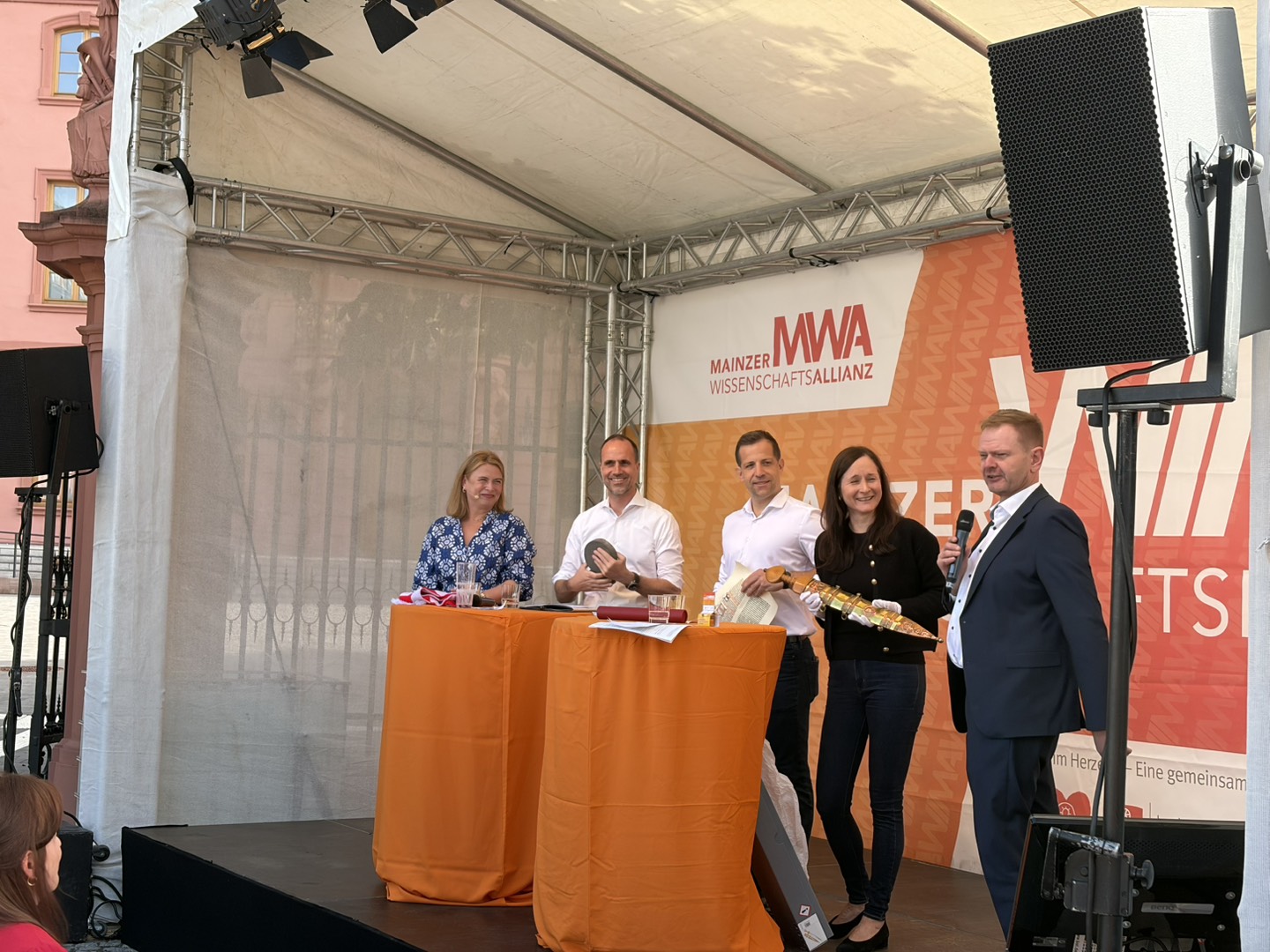
This was reflected at the opening of this year’s Wissenschaftsmarkt (WIMA), which explored the role of science and research in the city and in society.
The city’s history provided a powerful illustration. A sword dating back to the time of Tiberius, a millstone and a printed page from Johannes Gutenberg represented very different periods, yet shared a common thread: human curiosity, ingenuity and the drive to create something new. For thousands of years, Mainz has been shaped by movement, migration and exchange. Its cultural heritage reminds us of what connects people as well as the importance of remaining vigilant when history is appropriated for other purposes.
Today, the city continues to be shaped above all by the people who live, work or study here. An open city is one where people feel welcome and that they belong.
Mainz as a City of Science
Mainz is a major hub for science and biotechnology. Excellent research and questions of broad societal relevance are central to the city’s scientific profile – as is the ambition to make knowledge visible and accessible to as many people as possible.
Science depends on international collaboration and the exchange of knowledge across borders. At the same time, it needs to connect with people in their everyday lives. Making science understandable, creating spaces for learning and inspiring people to engage with research are essential to a thriving city of science.
WIMA
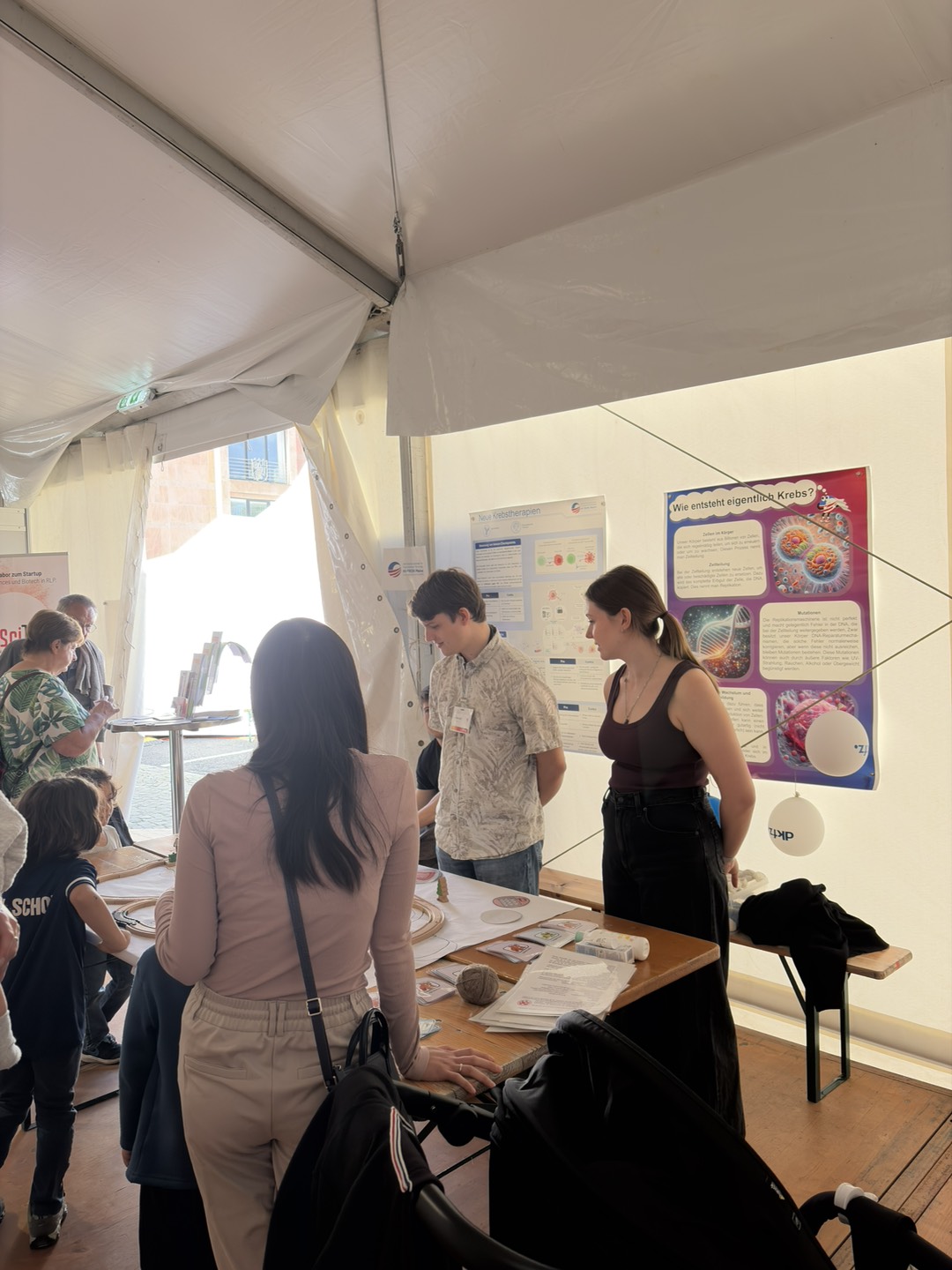
As a cancer research institute based in Mainz, we want to help bring science closer to people. That is why we once again took part in this year’s WIMA, held under the theme “Mensch und Region” (“People and Region”).
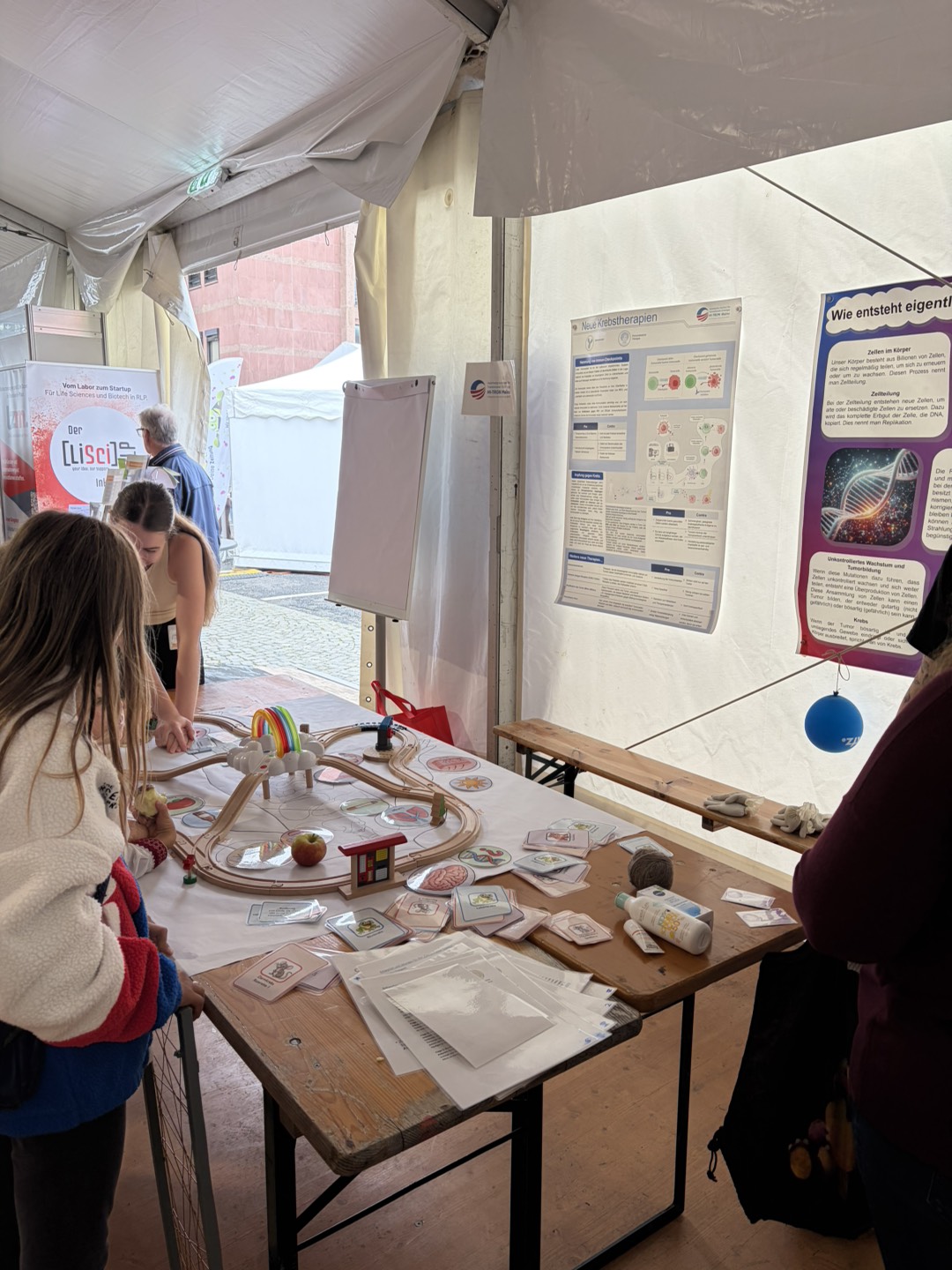
With our interactive journey, “Cancer in Focus: From Head to Toe – and Around the World,” visitors explored cancer research from different perspectives.
The journey began with the human body. At different stations, visitors learned more about organs including the lungs, skin and liver, tested their knowledge with quiz questions, and explored different types of cancer and cancer prevention.
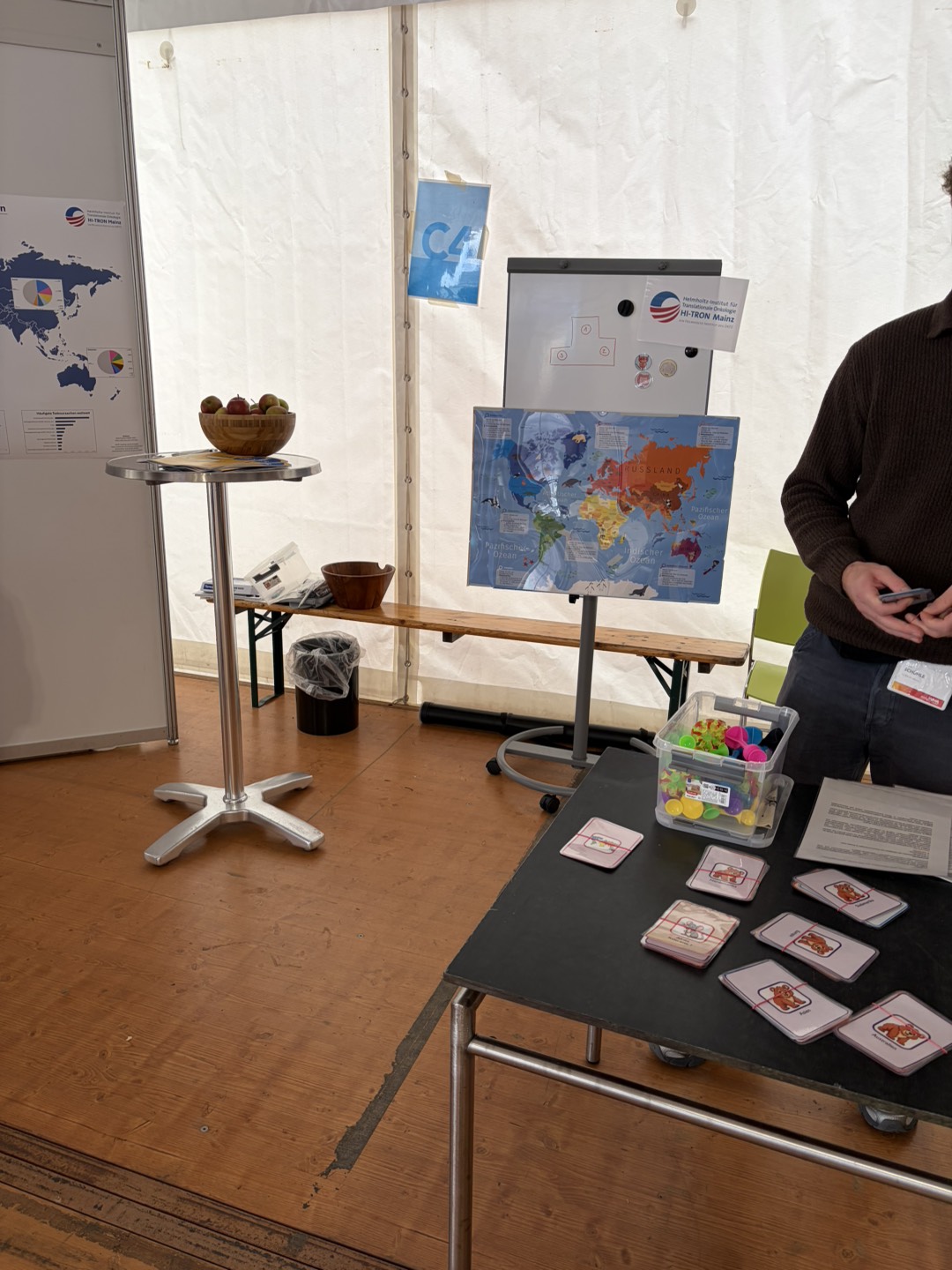
From there, the journey expanded to a global perspective. Using a world map, visitors could discover which types of cancer are more common in different regions and explore differences in prevention, healthcare and cancer research around the world. The activity highlighted an important point: cancer is a global challenge, but the factors influencing its development, prevention and treatment are also shaped by regional and societal conditions.
For us, this captures one of the key ideas behind WIMA: science does not exist in isolation from society. It is driven by people, thrives on exchange and can help us understand shared challenges and develop solutions together.
Curiosity is where every scientific journey begins – and knowledge has its greatest impact when it is shared and explored together.